
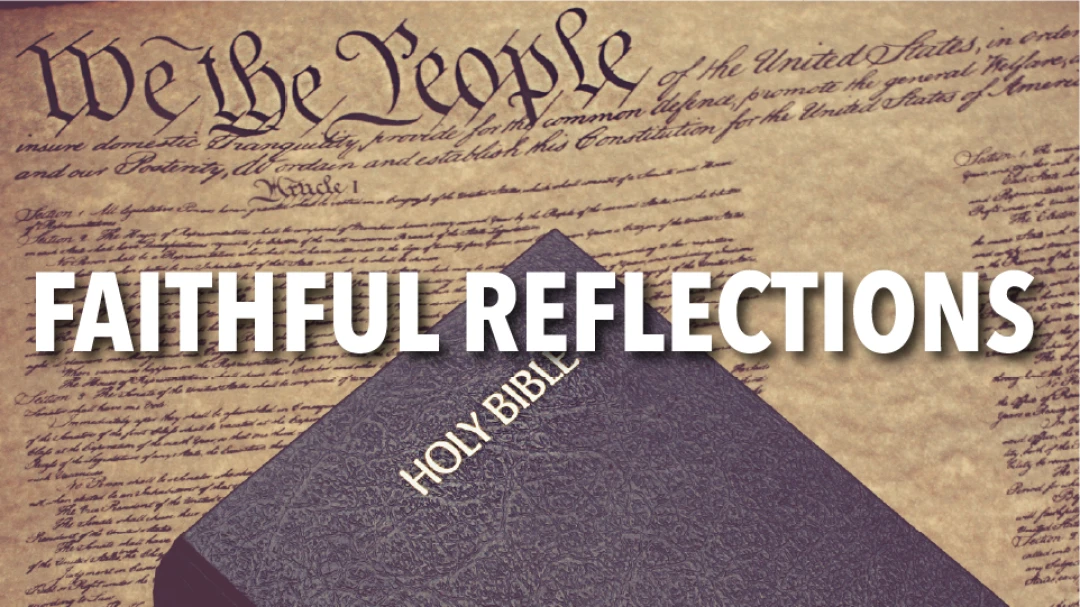
In Mark 12:13–17, We see a group of religious and political leaders carefully watching Jesus and attempting to entrap him. They came to him with flattery about how genuine and confident he is in God. He doesn't worry about what people say or think about him because he doesn't show favoritism. Then they ask him, “Should we pay taxes to Caesar or not?”
This was a challenging question, because Jesus was a good Jew. He understood the people's plight. He lived a life under Roman oppression along with all the other Jews. He was also aware of the Roman Empire’s absolute rule over the land. If you opposed the emperor, then you were met with the tip of a spear. Jesus also understood that the Jews had worked out a special arrangement with the emperor so they did not have to pay part of the temple tax to Caesar. Instead, they could pay it all to the temple in Jerusalem. At the same time, the priests had created a rule that the temple tax could not be paid with coins inscribed with Caesar’s logo. It was a tricky arrangement.
If Jesus had said they should pay all taxes, he would have angered the Jews. If he had said they should not pay any tax, he would be calling for open rebellion against Rome. So, Jesus asked for a coin. They presented him with a coin that had Caesar’s logo on it. He said, “Whose coin is this?” They said, “Caesar’s.” Jesus responded, “Give to Caesar what a Caesar’s and give to God what is God's.”
Likewise, we should give to God what is God’s and give to the government what is the government's. Jesus does not call his followers to blindly submit to all government authorities though we are expected to comply in a biblically faithful manner. We declare our allegiance to God, and we are citizens of this great country.
Through the wisdom of our founders, there are certain limitations on the government. We have freedom of religion meaning we can believe what we believe. We have the freedom of speech and of the press meaning we can say and write what we wish to say and write. We have the freedom to peaceably assemble, meaning we can gather in various ways for various peaceful activities. We have the freedom to complain to the government and ask the government to do something about our complaints.
Of course each of these has their exceptions and caveats. Your practice of religion cannot cause harm to another. Your use of free speech and writing cannot cause harm to another. You're assembling cannot interfere with the welfare of another.
Yet as Christians, we have all manner of opportunities to use our freedom of religion and speech in assembly to give to God what is God's and still give to the government what is the government's. We have obligations to both God and the government. We have an obligation to God to love God with everything we have and to love our neighbor as ourselves. We have an obligation to the government to elect moral leaders, hold our leaders accountable, and seek redress of our grievances when we believe they have morally strayed.
As United Methodists, our Book of Resolutions in paragraph 164B states, “The church should continually exert a strong ethical influence upon the state supporting policies and programs deemed to be just in opposing policies and programs that are unjust.” This is a beautiful exercise of our freedom of religion, speech, and redress of grievances that allows us to influence the government while resisting its influence on how we worship and serve God.
In our great nation, the government only has as much power as we give it. Who we elect, the policies that they put in place, our ability to comply with those policies when they are just, and our duty to resist them when they are unjust are all within our power. Partisanship aside, there are ways in which we are all conservative when we want to preserve the things that matter to us. There are things in which we are all progressive when we want equality and a better life for all people.
Therefore, when we exercise our freedoms well, we elect leaders and solicit our government in ways to help make life better for everyone while preserving things that are important to us and enabling people to have better lives. These include our liberties as well as the welfare of our neighbors. Such issues include taxes, healthcare, immigration, human sexuality, national defense and war, cost of living, human sexuality, education, and disabilities. We all have opinions on these issues.
Yet, we must be careful that in the exertion of our beliefs, our religion, our speech, and our influence of the government, that we demonstrate love of God and love of neighbor. Once we cause harm to another through the law, we fail to give to God what is God’s. As followers of Jesus, we must love our neighbor as an act of our love for God.